What are the most popular pergola designs in the UAE?
Pergolas have become a popular addition to villas, gardens, patios, rooftops, and outdoor dining areas across the UAE. They provide shade, improve the appearance of outdoor spaces, and create comfortable areas for relaxing or entertaining guests.
Modern pergola designs combine attractive structures with practical features such as adjustable roofs, weather-resistant materials, integrated lighting, and custom finishes. However, the best design depends on the property’s layout, budget, architectural style, and the amount of shade required.
Here are some of the most popular pergola designs in the UAE and the features that make each option suitable for different outdoor spaces.
1. Modern Aluminium Pergolas
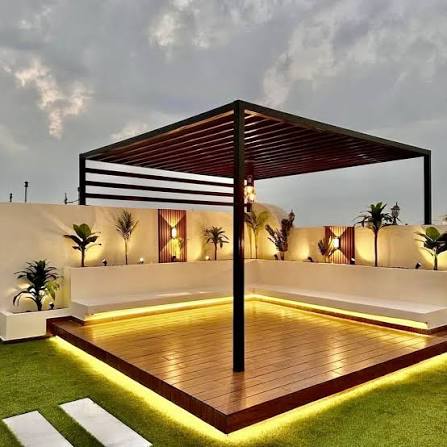
Modern aluminium pergolas are a popular choice for contemporary villas and residential properties in the UAE. They feature clean lines, simple shapes, and durable frames that complement modern architecture.
Aluminium is lightweight compared with many structural metals and naturally resists corrosion. A suitable powder-coated finish can also help protect the surface and maintain its appearance.
Common features include:
- Minimalist frames and flat roof designs.
- Neutral colours such as white, grey, black, and bronze.
- Integrated LED lighting.
- Optional side screens and privacy panels.
- Customised dimensions for gardens and patios.
Aluminium pergolas are suitable for homeowners who want a modern appearance without the regular treatment that natural timber may require.
2. Louvered Pergola Designs
Louvered pergolas feature adjustable roof blades that can be tilted to control sunlight and airflow. Some systems operate manually, while others use motorised controls.
This design is particularly useful in the UAE, where outdoor spaces experience intense sunlight for much of the year.
When the blades are opened, they allow more sunlight and ventilation. When closed, they provide greater shade and, in appropriately designed systems, can direct rainwater into integrated drainage channels.
Louvered pergolas are commonly considered for villa gardens, outdoor dining areas, terraces, and poolside seating.
Homeowners should check the roof’s actual weatherproofing performance, drainage arrangements, motor protection, and wind limitations before choosing a system.
3. Wooden Pergolas
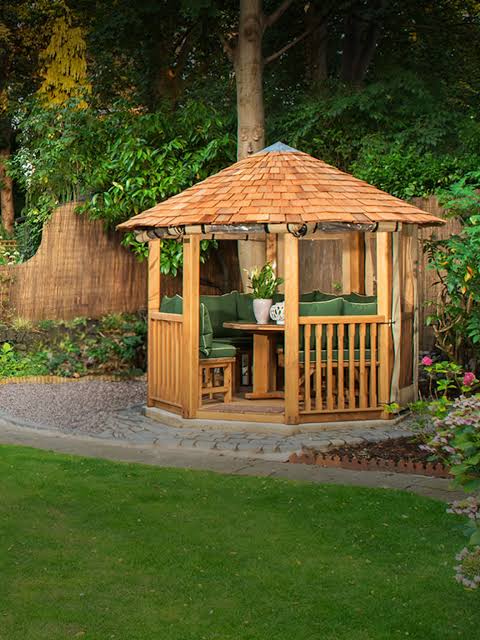
Wooden pergolas offer a natural, warm appearance that suits landscaped gardens, traditional villas, and outdoor seating areas.
Common timber choices vary according to availability, budget, and the desired finish. Some homeowners also choose aluminium pergolas with a wood-effect finish to achieve a similar appearance with less routine maintenance.
Wooden pergolas can feature:
- Open timber beams.
- Decorative posts and crossbars.
- Climbing plants and greenery.
- Outdoor furniture and soft lighting.
- Natural stains or painted finishes.
Natural wood can require regular sealing, staining, or other protective treatment, particularly in hot, sunny, and humid environments. Selecting suitable timber and maintaining it properly can help extend its service life.
4. Fixed-Roof Pergolas
Fixed-roof pergolas provide consistent overhead coverage using a permanent roofing material. Depending on the design, the roof may use aluminium panels, polycarbonate sheets, or another suitable outdoor roofing system.
This option is useful for patios and outdoor dining areas where homeowners want dependable shade without adjusting the roof throughout the day.
Potential benefits include:
- Consistent overhead coverage.
- Options for rain protection.
- Simple operation without moving roof components.
- Compatibility with outdoor kitchens and dining furniture.
- A range of designs to suit different properties.
The choice of roofing material affects heat transfer, natural light, ventilation, and maintenance. A solid roof can trap heat if the surrounding area lacks sufficient airflow, so ventilation should be considered during planning.
5. Freestanding Pergolas
Freestanding pergolas are independent structures installed away from the main building. They are often placed in gardens, beside swimming pools, or in outdoor entertainment areas.
Because they do not need to be attached to a house, they provide greater flexibility in positioning and layout.
Popular uses include garden lounges, outdoor dining spaces, barbecue areas, and relaxation zones.
Freestanding pergolas can be designed with aluminium, timber, or other suitable structural materials. Their foundations and support systems must be designed for the ground conditions and expected wind loads.
6. Wall-Attached Pergolas
Wall-attached pergolas connect to a building and extend the usable living area outdoors. They are commonly installed over patios, terraces, and outdoor seating areas beside villas.
This design can create a natural connection between indoor and outdoor spaces while providing shade near doors and windows.
Wall-attached pergolas may feature fixed roofs, adjustable louvers, or partial coverings. The building wall must be suitable for the proposed attachment, and the installation should account for waterproofing, drainage, and structural loads.
They are particularly useful where homeowners want to shade an existing patio without creating a separate structure elsewhere in the garden.
7. Retractable Pergolas
Retractable pergolas use a roof covering that can slide or fold back when an open sky is desired. Depending on the system, the roof may use fabric or another retractable material.
This design offers flexibility for homeowners who want shade during sunny periods but prefer an open space at other times.
Retractable pergolas may be used for:
- Outdoor dining areas.
- Garden seating spaces.
- Restaurant terraces.
- Poolside lounges.
- Covered entertainment areas.
Before choosing one, check the manufacturer’s wind limits, operating instructions, maintenance requirements, and rain-protection specifications. Not every retractable roof is designed to remain extended during strong winds or heavy rain.
8. Poolside Pergolas
Poolside pergolas create shaded relaxation areas around swimming pools. They can accommodate loungers, outdoor sofas, changing areas, or small dining spaces.
Aluminium and other weather-resistant materials are often considered for these locations because of their exposure to moisture and outdoor conditions.
Popular design features include neutral finishes, adjustable roofs, outdoor-rated lighting, and privacy screens.
The layout should preserve safe access around the pool, avoid obstructing pathways, and use suitable materials for the surrounding environment. Electrical fittings must also be appropriate for outdoor use and installed according to applicable safety requirements.
9. Rooftop Pergolas
Rooftop pergolas can turn an underused terrace into an outdoor living area. They are suitable for selected villas, townhouses, and buildings with accessible roof spaces.
Homeowners may use them for dining, relaxation, or entertaining guests while enjoying an elevated view.
However, rooftop installations require particular attention to structural loading, waterproofing, wind exposure, drainage, and safe access. Building management or local authority approval may also be necessary.
The pergola must be designed for the actual roof structure rather than installed without assessing the building’s capacity.
10. Which Pergola Design Is Best for the UAE Climate?
The best pergola design depends on how the outdoor area will be used.
| Pergola design | Best suited for | Main consideration |
|---|---|---|
| Aluminium pergola | Modern villas and patios | Select a suitable finish and structural design |
| Louvered pergola | Adjustable shade and ventilation | Higher complexity and maintenance of moving parts |
| Wooden pergola | Natural garden aesthetics | Requires appropriate timber care |
| Fixed-roof pergola | Consistent shade and possible rain protection | Ventilation and roof material |
| Freestanding pergola | Gardens and poolside areas | Foundation and wind resistance |
| Wall-attached pergola | Existing patios and terraces | Secure attachment and waterproofing |
| Retractable pergola | Flexible outdoor coverage | Operating and weather limitations |
| Rooftop pergola | Accessible roof terraces | Structural assessment and approvals |
For many UAE properties, a powder-coated aluminium pergola with a suitable fixed or adjustable roof is a practical option. The final choice should account for sunlight, heat, dust, humidity, wind exposure, and the level of protection required.
11. What Factors Should You Consider Before Installing a Pergola?
Before choosing a design, measure the available area and determine where shade is needed throughout the day. Consider the position of doors, windows, trees, furniture, and walkways.
Next, compare materials, roofing options, ventilation, maintenance requirements, and installation costs. A design that looks attractive but provides insufficient shade may not meet the property’s needs.
For projects in the UAE, check the applicable municipality, community, or property-management approval requirements before construction. Professional installation is especially important for large structures, rooftop pergolas, motorised roofs, and designs exposed to strong winds.
Conclusion
The most popular pergola designs in the UAE include modern aluminium pergolas, adjustable louvered systems, wooden structures, fixed-roof pergolas, freestanding designs, and wall-attached options.
Each style offers different benefits. Aluminium provides a modern appearance and relatively low maintenance, louvered roofs offer adjustable shade, and wooden pergolas create a natural look. Retractable and rooftop systems can also suit properties with specific space and lifestyle requirements.
By selecting a design that matches the property’s architecture, climate, budget, and intended use, homeowners can create a more comfortable and attractive outdoor living area.
Frequently Asked Questions
Which pergola design is best for a UAE villa?
A modern aluminium pergola with a suitable fixed or adjustable roof is a practical option for many UAE villas. The best design depends on the available space, desired appearance, and shade requirements.
Are aluminium pergolas suitable for hot weather?
Yes. Properly specified aluminium structures are suitable for many outdoor applications in hot climates. The roof material, ventilation, finish, and structural design also influence overall performance.
Which pergola provides the most shade?
A pergola with a suitable solid roof or fully closed louvered system can provide extensive overhead shade. Side screens may also help reduce low-angle sunlight.
Can pergola designs be customised?
Yes. Pergolas can be customised in size, shape, colour, roof style, lighting, and optional privacy features to suit the property.
Do pergolas require approval in the UAE?
Requirements vary by emirate, community, building type, and installation location. Homeowners should confirm the applicable permissions before starting work.